Wide Spread Of Misinformation About How To Start Astronomy. How Astronomy Really Begins Was Even Before You Have Any Equipment
Nobody Can Ascertain When Astronomy Was Started, But Records Shows That Earliest Recorded Astronomical Observation Begin 3000 Years Ago (Before Invention Of Any Optical Instrument)
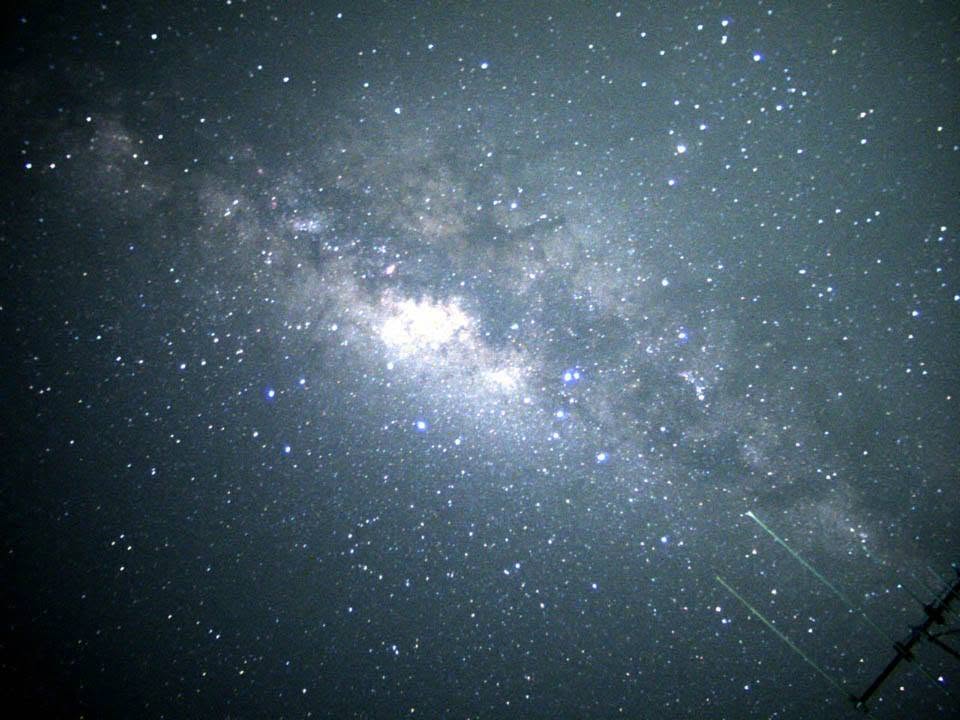
Observation Of Night Sky Without Any Instrument - Shows Milkyway, Moon, Sun, Planets And Many Deep Space Objects
Historically Astronomy Observation Is Used For Agriculture, Season And Weather Pattern Prediction, Navigation, Spiritual And Religious. With Time Advancement With Invention Of Basic Tools Includes Calander, Sunclock, Theodolite, Star Chart Etc Which Improves Accuracy Of Using Astronomy For Natural Science
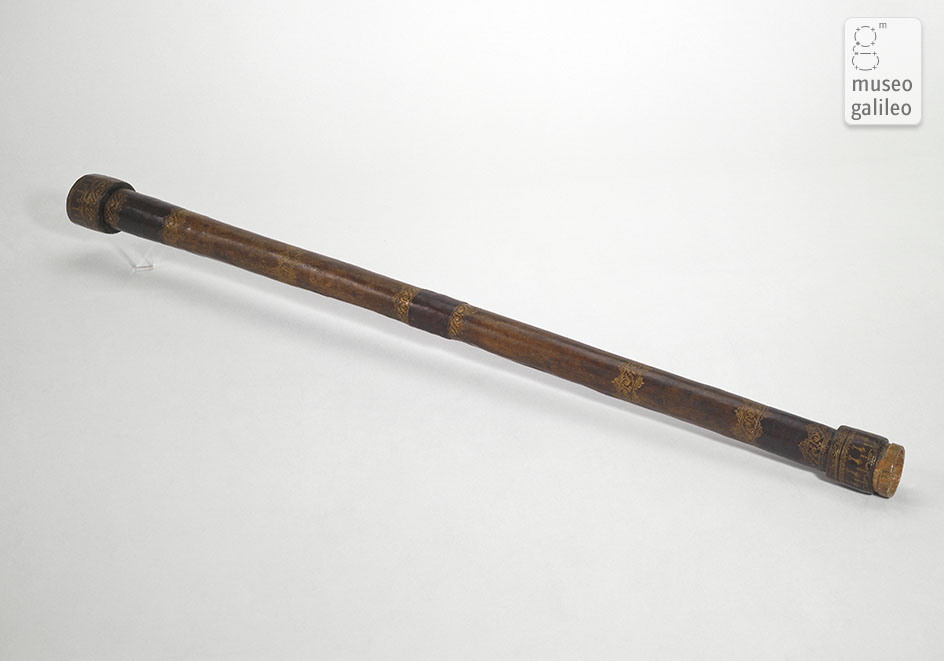
Invention Of Observation Tools (Optical Device) Begin In 1600s. Fun fact, Galileo (Father Of Observational Astronomy) Did Not Invented Telescope, But He Was Earliest To Scientifically Document Observation. And It Is Just 15mm Lens Telescope
How Tool Improves Your Astronomical Experience
Interested In Getting An Optical Instrument To Assist Your Astronomical Experience? Basic Tips And Knowledge
Any Optical Instrument Works By Doing 3 Things
- Magnify Objects (Magnification)
- Makes Objects Having More Details (Resolution)
- Make Objects Brighter (Light Gathering Power)
But Any Optical Instrument Also Limited By Rules Of
- Maximum Magnification (50-60x Per mm Aperture)
- Minimum Magnification (1x Per 6-7mm Aperture)
- Field Of View - Higher Magnification : Smaller View Angle. Lower Magnification : Wider View Angle
- Limiting Magnitude (How Much Brighter) - Bigger Aperture Of Same Optical Design Gives Brighter Image)
Tools For Astronomical Observation
- Binocular
- Excel At Wide Angle. A Pair Of 50mm Binocular Give Up To 12 Limiting Magnitude (100X Brighter) Than Our Eye Can See
- Excellent For - Constellation (Wide Angle)
- Ok For - Nebula, Galaxies, Messier Objects, Whole Moon (Low Power)
- Telescope
- Excel At Medium To Small Objects. 8'' Telescope Gives Up To 14 Limiting Magnitude (840x Brighter) Than Our Eye Can See
- Excellent For - Nebula, Star Cluster, Messier Objects, Planets, Moon Crates
- Ok For - Dimmer Galaxies, Dimmer DSO Objects
- Smart Telescope
- Excel At Photography Of Objects - Includes Whole Moon, Sun, Medium Size DSO
- Ok For - Smaller DSO, Milkyway
Practicality Of How To Choose Tool To Begin Astronomy
- You Can Observe Numbers Of Star Cluster, Moon, Planets And Brighter Nebula/Galaxy Without Any Tools - No Cost. Find Darker Places To View Better
- A Basic Pair Of Binocular - Practicality A Simple Pair Of Binocular Excel In Viewing Numbers Of Deep Spaces Objects (Star Cluster, Galaxy, Nebula), Moon Crates And Even Moon Of Jupiter (Galilean Moon). Most Cost Effective And Useful Instrument
- Visual Telescope If You Want To Try Out Option Of Higher Zoom, Seeing Thousands Of Stars In Star Cluster, Shape Of Nebula, Saturn Ring, Jupiter Great Red Spot, Mars Polar Ice Caps, Moon Crates
- Smart Telescope If You Want More Automation, Capability Of Capturing Image Of Galaxies, Nebula And Star Cluster Without Need Of Learning Curve
How To Use A Tool Properly - 3 Basic Tips
- Find Object- Learn Basic Of How To Point And Find Object (This Includes Using Computerized System, Software, Finder Scope)
- Understanding Magnification (Low Zoom Wide Angle, High Zoom Narrow Angle, Maximum Magnification, Magnification Calculation Using Eyepiece And Telescope Focal Length
- How To Make Image Sharper (Visually) - Basic Of Focusing On Telescope
Unsure And Unclear About What Suitable Tools To Improves Your Hobby Further? Please Contact Us For Discussion